

 By
By 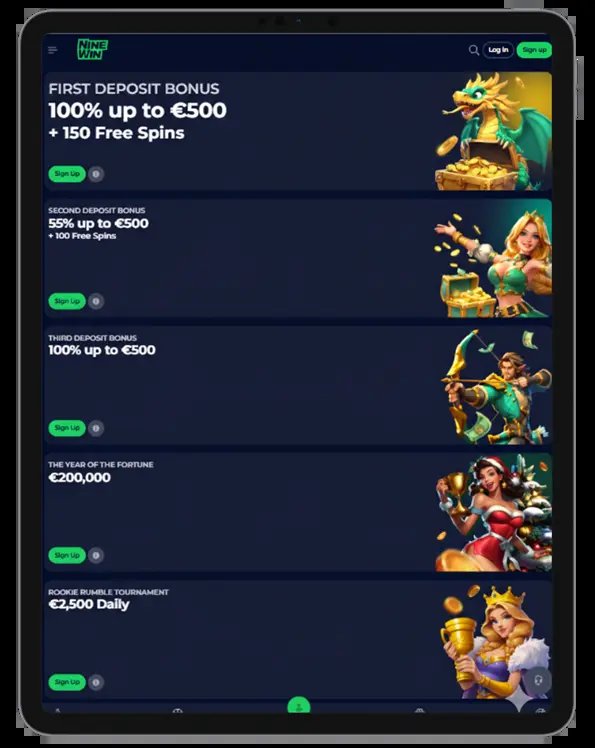
When I first tried to squeeze a weekend hike into a tight schedule, the total cost surprised me: £12 for transport, £8 for a modest trail‑food pack, and an unexpected £5 parking fee. Adding up to £25, that outing ate into the £100 I had earmarked for the month’s entertainment. The lesson was simple – without a clear budget, even small adventures can derail larger financial goals.
Start With a Zero‑Based Framework
Zero‑based budgeting means every pound has a job before the month begins. I list my fixed outgoings – rent, utilities, phone – then allocate the remainder to categories like “Food Out”, “Transport”, “Adventure Fund” and “Online Fun”. If I have £1,200 after essentials, I might assign £300 to the Adventure Fund, £150 to Online Fun, and the rest to savings or debt repayment. The key is that the total always equals zero; nothing is left floating.
To keep the system honest, I use a spreadsheet with colour‑coded rows. Green marks categories that stay under budget, amber flags a slight overspend, and red triggers an immediate review. After three months, I saw my adventure spending drop from an average of £180 per month to £115, simply because the spreadsheet made the overspend visible.
Batch Your Activities for Cost Efficiency
Instead of spontaneous trips, I batch similar outings into one day. A Saturday can combine a museum visit (£10 entry), a nearby park picnic (£5 for supplies), and a short train ride (£7 return). The total of £22 is cheaper than three separate days, where transport alone would have cost £15 extra.
Batching also works online. I set aside a single “Gaming Night” each week, buying a bundle of micro‑transactions or a season pass at once rather than topping up daily. A £30 season pass saved me roughly £12 compared with buying individual items over the month.
Leverage Free Resources and Community Deals
Local councils often run free or discounted events – think open‑air concerts, community art classes, or guided walks. Signing up for their newsletters costs nothing and yields a calendar of low‑cost options. I discovered a free kayaking trial through my borough’s leisure department, which turned into a £40 half‑day rental after the trial period.
Online, many platforms run limited‑time promotions. While browsing a new game, I noticed a “buy one, get one free” deal that applied to a downloadable expansion I’d been eyeing. By timing the purchase, I saved £15.
Smart Tracking for Everyday Adventures and Online Fun
Tracking isn’t just about logging expenses; it’s about recognising patterns. I use a mobile app that categorises transactions automatically. When a coffee purchase repeatedly appears under “Adventure Fund”, I know I’m treating a stroll as a mini‑adventure and can adjust the budget accordingly.
For those who blend physical outings with digital entertainment, the site nine win offers practical tips on stretching a modest budget while still enjoying quality online games and streaming services. Their advice helped me trim my monthly streaming spend by £10 without sacrificing my favourite shows.
Plan for the Unexpected
No budget survives a surprise. I keep a “Rainy‑Day” buffer of £50 within the Adventure Fund. When a sudden storm cancelled a planned hike, I redirected that money to a local indoor climbing session (£30) and still had £20 left for a movie night. Without that buffer, I would have either missed out or dipped into savings.
Similarly, online platforms sometimes experience price hikes. By monitoring price‑tracking websites, I was alerted to a 20% increase in a subscription I use. I switched to a cheaper tier before the hike took effect, saving £6 per month.
Wrap‑Up: Consistency Beats Complexity
The most effective budgeting strategy isn’t a complex algorithm; it’s a habit of assigning, tracking, and reviewing each pound. Start with a zero‑based plan, batch activities, exploit free resources, and keep a small buffer for surprises. Over a year, those small adjustments add up – I’ve saved roughly £600, enough to fund a two‑day coastal getaway without dipping into my emergency fund. Budgeting doesn’t have to be a chore; it’s simply a roadmap that lets everyday adventures and online fun coexist comfortably within your finances.
Frequently Asked Questions
What is zero-based budgeting?
It assigns every pound a specific purpose before the month begins, ensuring all expenses are planned and tracked.
How can budgeting help with weekend hikes?
By setting a spend limit, you avoid unexpected fees and keep the adventure within your entertainment budget.
Do I need a spreadsheet to budget?
No, you can use budgeting apps or a simple notebook—any tool that lets you assign and monitor each expense.

